


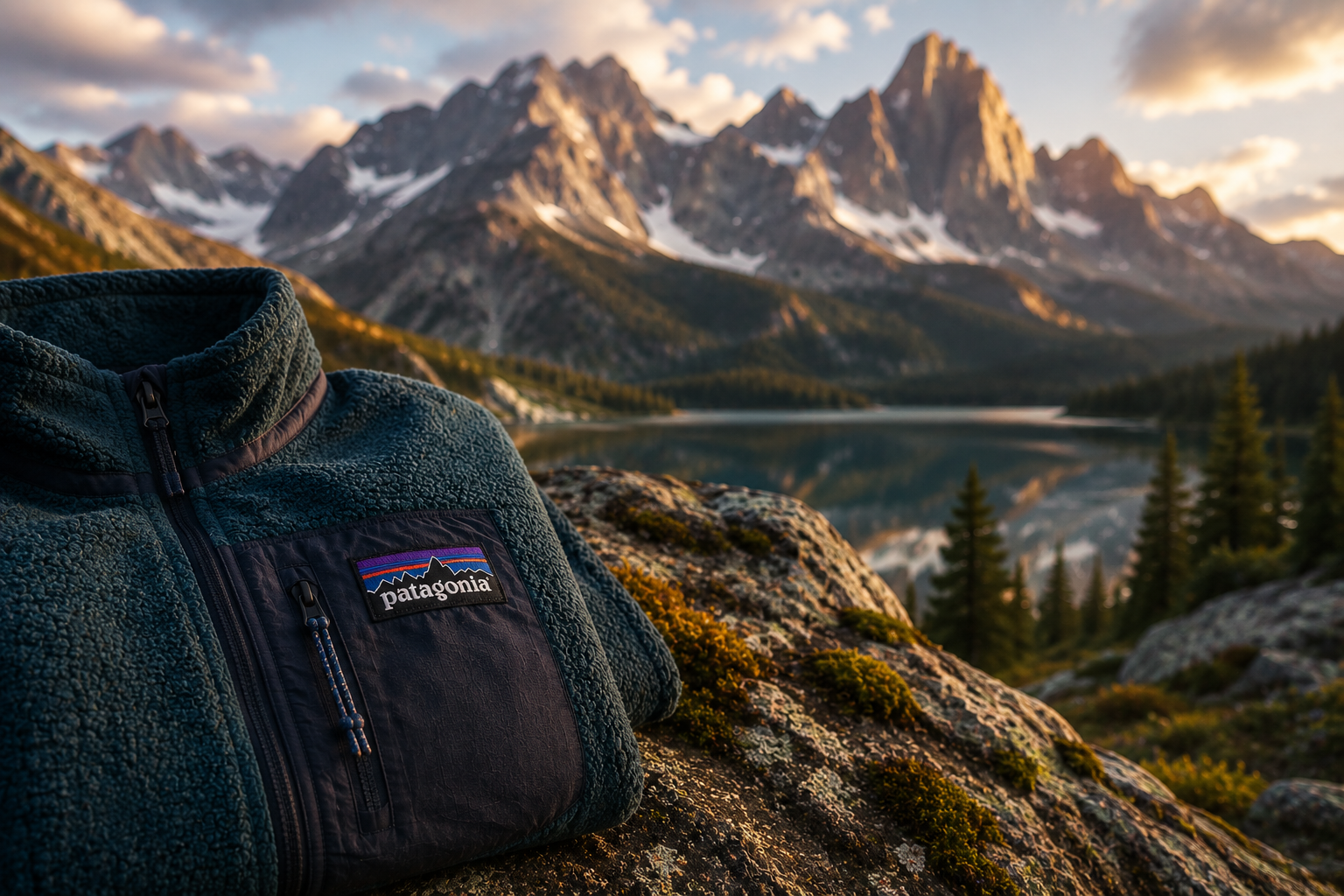
Most brands treat their mission statement as a poster on the office wall. Patagonia treats it as the whole business. This outdoor apparel company built one of the most beloved brands in the world by putting the planet ahead of profit, and actually meaning it.
The proof came in 2022, when founder Yvon Chouinard gave the company away so that Earth became its only shareholder, with profits now funding the fight against climate change. That is not a marketing gimmick. It is the strategy. Here is how activism became Patagonia's brand positioning, and what your business can take from it.
Key Takeaways
- Patagonia positions itself as the brand for people who want to protect the planet, not just look good outdoors.
- Its activism is real and expensive, which is exactly why customers believe it.
- The brand even tells people to buy less, and that honesty builds fierce loyalty.
- Giving the company away for the climate turned its values into its ownership structure.
- You can borrow Patagonia's playbook by living your values, not just advertising them.
What is Patagonia's brand positioning?
The one-liner
Patagonia positions itself as the outdoor brand that exists to save the planet. It is not "the warmest jacket" or "the best hiking gear," even though it makes those too. It is a promise that every dollar you spend helps protect the wild places you love.
The purpose it sells
The feeling underneath is purpose. When you wear Patagonia, you are supposed to feel like part of a movement, not just a shopper, and that deeper pull is why the brand inspires such loyalty. It is a textbook case of a real brand purpose doing the heavy lifting that slogans never could.
How is activism Patagonia's real branding strategy?
"Don't Buy This Jacket"
In 2011, Patagonia ran an ad telling people not to buy its jacket unless they truly needed it. The message was about cutting waste, and it made customers trust the brand even more. Telling people to buy less, and selling more because of it, is a masterclass in values-led advertising.
1% for the Planet
For years, Patagonia has pledged a share of sales to environmental causes, repaired gear for free, and fought publicly for public lands. The activism costs real money, which is the whole point, because a stand that costs nothing convinces no one. Anyone can post a slogan, but few brands are willing to put their own profit behind it.
Giving the company away
In 2022, the Chouinard family transferred ownership to a trust and a nonprofit, so that roughly $100 million in yearly profit now goes toward fighting the climate crisis. Patagonia built its values so deep into the company that its own ownership structure protects them forever.
Who is Patagonia's brand for?
Patagonia's core is outdoor lovers who care deeply about the environment. They hike, climb, and ski, and they want their gear and their money to reflect their values. Around them sits a wider group of everyday buyers who admire the mission and want to feel good about a purchase, even if they never summit a mountain.
What ties both groups together is that they are choosing the brand for what it stands for, not just what it makes. That is only possible because Patagonia lets its beliefs lead, a move that works when the brand steps back and lets the audience's values take center stage. Being willing to lose the wrong customer is what makes Patagonia's position feel real.
Patagonia vs other outdoor brands
Patagonia and other outdoor brands sell similar gear, but their brands feel very different. Here is a side-by-side look:
Patagonia Typical outdoor brand
Positioning: Save the planet, gear included Great gear for your next adventure
Audience: Values-driven, mission-first buyers Performance-first outdoor enthusiasts
Voice & tone: Honest, activist, sometimes blunt Rugged, aspirational, product-focused
Both can succeed, but they win on different ground. Patagonia owns purpose and trust, while most rivals own performance and adventure. Patagonia did not try to make a slightly better jacket. It made caring about the earth its whole reason for existing, which is how a brand stands out in a crowded marketplace full of look-alike products.
Why do customers trust Patagonia's brand?
The values cost real money
Plenty of brands claim to care about the planet, but Patagonia backs it up with donations, action, and even its ownership. Customers can tell the difference between real commitment and a marketing campaign, and they reward the real thing.
Built to last
Patagonia gear is designed to survive years of hard use, and the brand repairs it for free. Durable products fit the mission, because the longer your jacket lasts, the less waste you create, so quality and values reinforce each other.
Decades of consistency
Patagonia has told the same story since 1973, that business should protect the earth, not just profit from it, and it never wavered even when standing firm cost money. Brands earn deep trust by living one clear belief for a very long time.
Does activist branding actually sell?
It is fair to ask whether all of this is good business or just good intentions. The answer is that Patagonia's stands have grown the brand, not shrunk it, because they attract a devoted community willing to pay more and buy again. Taking a side does push some shoppers away, and that is the trade.
You give up the people who do not share your values to win deeper loyalty from the people who do. For most businesses that trade is worth it, because a smaller group of true believers beats a large crowd of people who feel nothing about you. The lesson is not to copy Patagonia's exact cause, but to notice that a clear belief, backed by action, can be a growth engine rather than a cost.
What your brand can learn from Patagonia
You do not need to give your company away to use Patagonia's thinking. Three moves matter most:
- Live your values, do not just say them. Patagonia spends real money on its mission. Pick a belief you will actually act on, then prove it with your choices.
- Be honest, even when it costs you. Telling customers to buy less built more trust, not less. Straight talk sets you apart in a world full of hype.
- Pick a stand and hold it. Patagonia would rather lose the wrong customer than water down its message. A clear position that repels some people will attract the right ones harder, which is the same nerve behind Nike's willingness to take bold stands and accept the backlash.
Patagonia proves that a brand built on real beliefs, held for decades and backed by action, can turn customers into a loyal community. The lesson scales to any business willing to stand for something and mean it. If you want help finding the one idea your brand can own, that is exactly the kind of work you can talk to us about.


