


.JPEG)
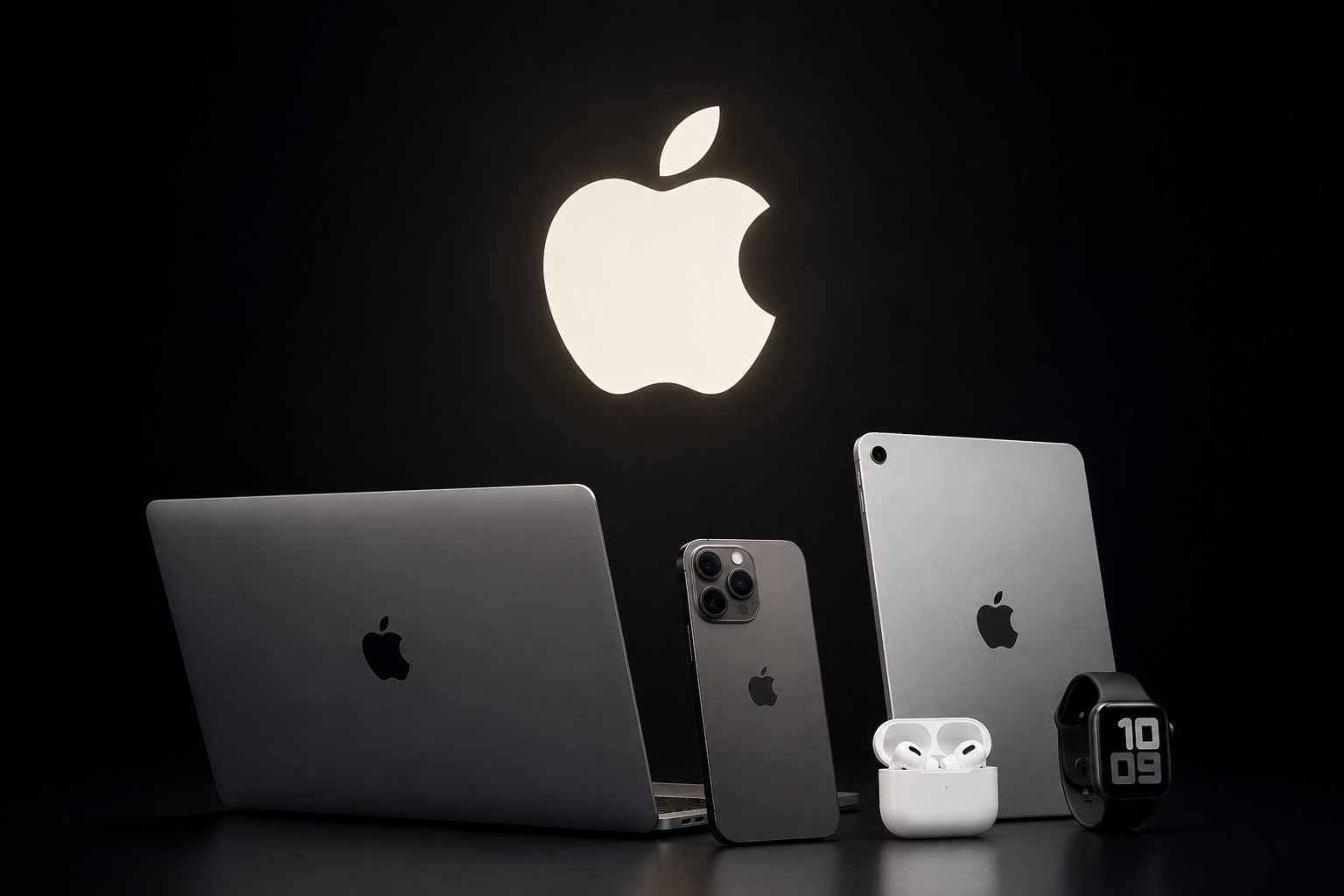
Brand Positioning of Apple: The Strategy Behind "Think Different"
URL: https://www.brandbosshq.com/insights/brand-positioning-apple
Most tech companies sell you on speed, storage, and specs. Apple built the most valuable brand on earth by doing the opposite. It sells a feeling, that owning an Apple product makes you creative, forward-thinking, and part of something better.
That idea started with a 1997 ad campaign called "Think Different," and it still shapes every product launch today. It also still pays off, with Apple posting a record $416 billion in revenue in fiscal 2025. Here is how Apple's positioning works, and what your business can take from it.
Key Takeaways
- Apple positions itself as the brand for creative people who want simple, beautiful tools, not the most features.
- "Think Different" is not about the product at all. It is about the kind of person the customer wants to be.
- Apple wins on simplicity, in its products, its stores, and its message.
- The brand charges a premium and never apologizes for it, because it competes on feeling, not price.
- You can copy Apple by cutting clutter, selling identity, and making your customer the hero.
What is Apple's brand positioning?
Apple positions itself as the brand that makes powerful technology feel simple and human. It is not "the fastest computer" or "the cheapest phone." It is the promise that you can create, connect, and do more without needing to be a tech expert.
The feeling underneath is confidence and belonging, so using an Apple product is supposed to make you feel smart, creative, and part of a group that values good design. That emotional layer is why customers line up for launches and pay more than they would for a rival with the same specs. It is the same instinct behind the way Steve Jobs sold the sizzle, not the steak, pitching what a product lets you become rather than the parts inside it.
What does Apple's "Think Different" branding actually mean?
The 1997 gamble
"Think Different" launched when Apple was close to failing, months after Steve Jobs returned to a company bleeding money. Most brands in that spot would have run price cuts or shouted about new features. Apple did neither.
The ads did not show a single computer. Instead they celebrated rebels and creative minds like Einstein and Gandhi, ending with the line "Think Different." The message was clear: Apple is for people who see the world in a fresh way, and buying Apple meant joining them. It was a bet on identity at a moment when the company could least afford a miss.
Why it points at you, not the product
The campaign moved the spotlight off the machine and onto the customer. It told buyers, "you are creative, and this is the brand that gets you." That is a completely different play than listing megabytes and processor speeds, and it treats your brand as a feeling rather than a logo on a box. People rarely fall in love with a spec, but they will line up for a brand that reflects who they want to be.
Why it still runs Apple today
"Think Different" gave Apple a personality it could carry into every product for decades, from the iPod to the iPhone to the Vision Pro. The words retired long ago, but the idea never did. You can still see it in the clean product design, the quiet stores, and the ad copy with barely any text on the screen. Every one of those choices says the same thing the campaign did, that Apple is for people who value simple, creative, human tools.
Who is Apple's brand for, and who is it not?
The believers
Apple's core is creative professionals and people who see themselves that way: designers, writers, students, and makers. They care about how a product looks and feels, and they will pay more to get it. These are the customers who upgrade early, defend the brand online, and turn each launch into an event.
The "just works" crowd
The wider group is everyday buyers who want technology that "just works" without the headache. They may not call themselves creative, but they buy into the simplicity and the quiet status that comes with the logo. For them, Apple is less about self-expression and more about trust, the sense that things will be easy and nothing will break in a confusing way.
Who Apple turns away
Apple does not chase the customer who only wants the lowest price or the most features per dollar, and it skips the tinkerer who wants to customize every setting. Losing those buyers is a deliberate choice, and it keeps the brand pointed at the people who value design over discounts. It is the same premium play that lets Tesla refuse to compete on price and protect its image. Turning away the bargain hunter is what lets Apple protect its premium price and its brand.
Apple vs Samsung: two branding playbooks
Apple and Samsung sell similar devices, but their brands feel worlds apart. Here is a side-by-side look:
Apple Samsung
Positioning: Simple, beautiful, creative Powerful, flexible, feature-rich
Audience: Design-first, loyal ecosystem fans Tech-first buyers who want options
Voice and tone: Calm, confident, minimal Bold, competitive, spec-driven
Both brands are huge, yet they win on different ground. Apple owns simplicity and status, while Samsung owns choice and cutting-edge features. Neither one tries to be the other, and that is exactly why both can thrive.
Apple leans hard on its locked-in ecosystem too, so once you own an iPhone, a Mac, and AirPods, leaving feels like a hassle and you stay. That focus on one clear identity is the whole point of learning how to stand apart from your competition.
What your brand can learn from Apple
You do not need Apple's budget to use Apple's thinking. Three moves matter most:
- Cut the clutter. Apple removes anything that does not serve the customer, from product buttons to marketing words to store shelves. Ask what you can take away, not just what you can add.
- Sell identity, not features. People buy the version of themselves they want to be, so show customers who they become with your product and let the features prove it. This is the core of a sharp value proposition.
- Make the customer the hero. "Think Different" celebrated the buyer, not the brand. Point the spotlight at your customer, and your product becomes the tool that helps them win rather than the star of the show.
None of these moves require a huge budget. They require the nerve to leave things out and the patience to say the same thing for a long time.
Apple proves that a clear, simple position, held for decades and backed by real design, can build the most valuable brand in the world. The framework is not just for tech giants, and it scales down to any business willing to focus. If you want help finding the one idea your brand can own, that is exactly the kind of work you can talk to us about.


